
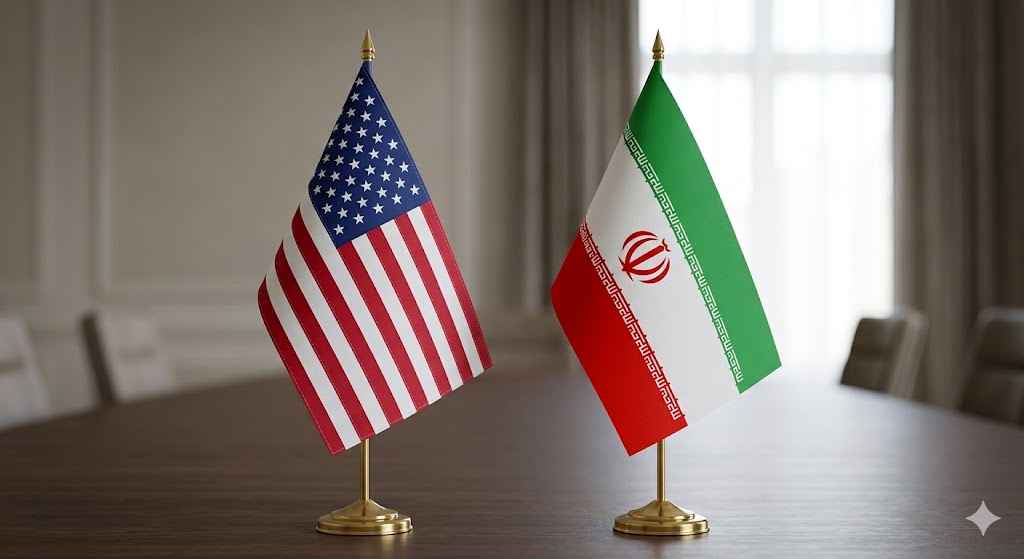
Planned discussions between the United States and Iran, which were intended to advance a broader agreement regarding Iran’s nuclear program and enhance regional stability, have been unexpectedly delayed. This postponement comes on the heels of intensified conflict between Israel and Hezbollah. Originally scheduled to be held in Switzerland, the talks were set to build upon a memorandum recently signed, establishing a framework for continued negotiations. However, the resurgence of violence along the Israel-Lebanon border led to their cancellation.
The escalation in hostilities was triggered by Hezbollah’s attacks on Israeli forces in southern Lebanon, actions that resulted in casualties among Israeli soldiers. In response, Israel launched extensive airstrikes on Hezbollah positions in southern Lebanon and the Bekaa Valley, causing numerous deaths and injuries. These renewed conflicts have stirred concerns over the stability of existing ceasefire efforts and have complicated the already delicate diplomatic initiatives in the region.
Despite the setback, both Washington and Tehran had previously shown interest in continuing negotiations. However, officials have indicated that the current conditions are not conducive for talks to proceed. The suspension of these negotiations adds an element of uncertainty to the ongoing efforts aimed at reducing regional tensions and securing a long-term agreement on Iran’s nuclear activities.
International leaders have called for restraint from all sides and urged adherence to ceasefire commitments to prevent further escalation. The postponement of the talks is a significant blow to diplomatic efforts, highlighting the challenges in achieving lasting peace and stability in the volatile region. As the situation develops, the international community remains watchful, emphasizing the necessity for dialogue and peaceful resolutions.