
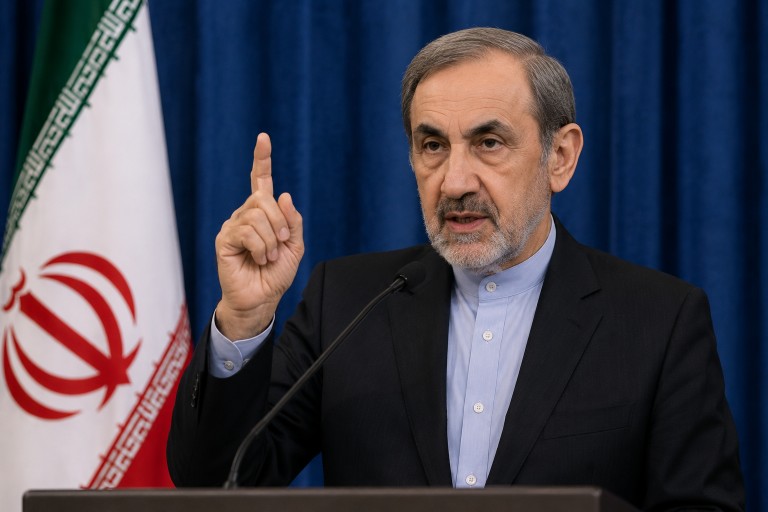
Iran has issued a stark warning to the United States following President Donald Trump’s declaration that the interim agreement aimed at de-escalating tensions was “over.” According to Ali Akbar Velayati, a senior adviser to Iran’s supreme leader, the U.S. decision has reignited hostilities in the Gulf region. Velayati accused Washington of pushing the area back toward conflict and emphasized that Iran is ready to respond instantaneously to any further military provocations.
Speaking at a NATO summit, Trump announced that he no longer considered the ceasefire agreement valid in the wake of Iran’s recent assaults on U.S. military installations in Bahrain and Kuwait. These attacks were a retaliatory measure following U.S. strikes on Iranian targets, which were themselves in response to assaults on commercial vessels traversing the Strait of Hormuz.
Velayati underscored Iran’s readiness to defend itself, stating the nation has its “finger on the trigger” and will not remain passive in response to what he described as threats and provocations from the U.S. His remarks echo the high tensions that have characterized the relationship between the two countries, especially after Trump’s statements.
Further heightening the tension, Trump warned of potential additional military actions against Iran, indicating that American forces are prepared to launch more strikes if Iran continues its aggressive actions. He also alluded to possible targets within Iran, including critical infrastructure such as Kharg Island, if the situation escalates.
The exchange of threats between the U.S. and Iran has cast doubt on the possibility of restoring the ceasefire, raising fears of a broader conflict in the Gulf. This ongoing tension continues to pose a threat to regional security and disrupt global energy markets, exacerbating concerns about stability in the region.