
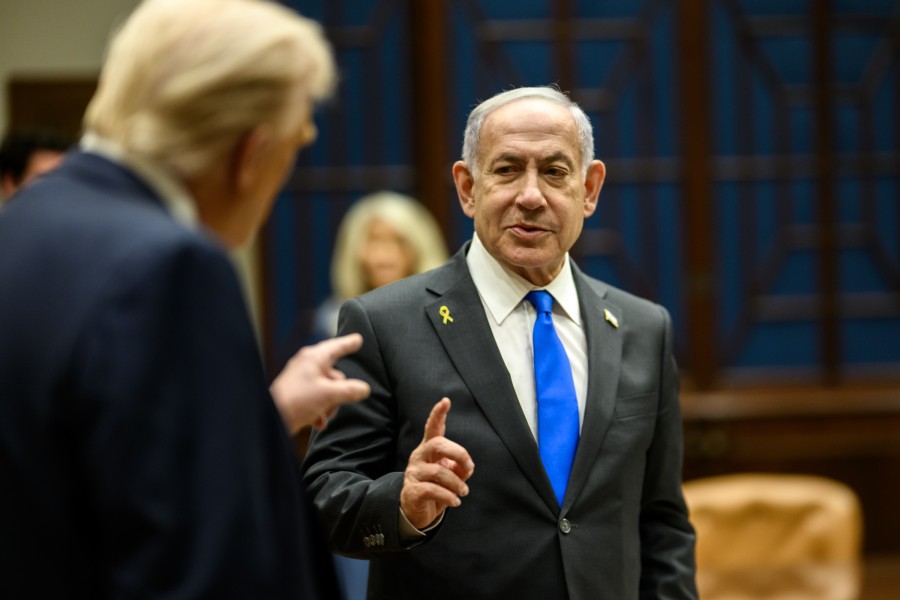
Israeli Prime Minister Benjamin Netanyahu has emphasized the need for Israel to minimize its military reliance on the United States by boosting its internal weapons production capabilities. Addressing reserve combat officers in the Gush Etzion settlement bloc, Netanyahu acknowledged the longstanding support from the United States but insisted on the importance of Israel developing its own defense manufacturing system to meet military needs independently. This, he argued, is crucial for ensuring the nation’s long-term security amid ongoing confrontations with Iran and its allied groups, which necessitate an expansion of military strength, technological prowess, and leadership capabilities.
This call for self-sufficiency in defense comes as the U.S. and Israel are negotiating a new 10-year security cooperation framework. This framework aims to evolve the bilateral relationship from one primarily based on military aid to a more balanced partnership. Netanyahu’s remarks also underscore the unease within Israel regarding its exclusion from recent U.S.-Iran diplomatic engagements. Notably, Israel was not part of a recent memorandum of understanding between Washington and Tehran, which aims to halt hostilities and avert further conflict.
The memorandum affects several regional issues, including the situation in Lebanon, where Israeli forces remain active against Hezbollah. Iran has reportedly demanded an Israeli withdrawal from Lebanon, a step Israel refuses to take until it deems the security threats adequately addressed. This scenario has sparked discussions about the U.S.’s influence over Israeli military strategy, with U.S. President Donald Trump hinting at the substantial leverage Washington holds due to the close ties between the two nations.
There is criticism among some Israeli officials regarding the U.S.-Iran understanding, especially since they believe that critical goals such as dismantling Iran’s nuclear and ballistic missile capabilities have not been fulfilled. Despite these concerns, the United States has assured its commitment to preventing Iran from acquiring nuclear weapons and has left the door open for further action should diplomatic efforts fall through. U.S. Vice President JD Vance has defended the agreement, highlighting the significant military support that Washington has extended to Israel and emphasizing the necessity of maintaining the strategic alliance between the two countries.