
Something appeared to shift in Geneva on Tuesday: the second round of indirect Iran-US nuclear talks ended not just without collapse but with what both the tone and substance of the Iranian readout suggested was genuine diplomatic momentum. Foreign Minister Araghchi declared that guiding principles had been agreed and that both sides were now ready to get into the details.
The talks, brokered by Oman, lasted three and a half hours — longer than many observers had expected — and covered the range of issues that a nuclear agreement would need to address. Chief among them were the fate of Iran’s 60% enriched uranium stockpile, the conditions for IAEA verification, and the duration and scope of any enrichment constraints Iran might accept.
Iran offered to dilute its near-weapons-grade uranium and expand international inspection access — proposals that officials in Tehran characterized not as concessions but as reasonable steps reflecting their country’s legitimate interest in a negotiated settlement. The offer also reportedly included a package of economic and security incentives for Washington, including a non-aggression pact.
The US remained publicly silent after the talks, but its known positions continued to anchor the hardest disagreements: namely, the demand for a complete halt to Iranian domestic enrichment. Tehran has refused this consistently, and Tuesday’s talks produced no sign of movement on that particular issue. Still, the agreement on guiding principles was seen as meaningful progress.
The regional and domestic backdrop remained turbulent. Trump’s Navy continued its buildup near Iran’s waters; Khamenei threatened those same vessels; and inside Iran, a nation divided between regime supporters and protesters continued to grieve and struggle. More than 10,000 demonstrators faced prosecution, and reports of coerced confessions added urgency to international calls for accountability.
Iran-US Talks: Geneva Negotiations Signal Shift Toward Serious Nuclear Deal Discussions
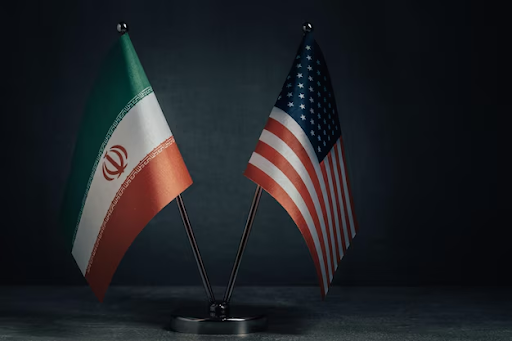
Picture Credit: www.freepik.com
43