
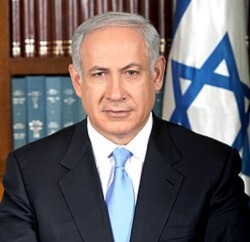
At a pivotal moment during the Iran conflict, Israeli Prime Minister Benjamin Netanyahu reportedly made a clandestine visit to the United Arab Emirates to meet with President Sheikh Mohamed bin Zayed Al Nahyan. Netanyahu’s office announced that this meeting resulted in a significant breakthrough in the diplomatic relationship between Israel and the UAE. The encounter took place on March 26 in Al Ain, a city near the border with Oman, and lasted for several hours.
This meeting is said to mark a new chapter in the evolving alliance in the Middle East. During the conflict, Israel shared its Iron Dome air defense system with the UAE, deploying military experts to operate the technology. U.S. ambassador to Israel, Mike Huckabee, highlighted the growing bond between the two nations, noting the unprecedented nature of their relationship. However, the UAE’s foreign ministry refuted claims of Netanyahu’s visit as unfounded.
Reports also emerged that the UAE conducted its own covert military operations against Iran, including an attack on a refinery on Lavan Island in early April. This was allegedly in response to Iranian strikes on Emirati oil facilities. The Wall Street Journal had previously noted visits by Mossad director David Barnea to the UAE for military coordination, underscoring the depth of the military collaboration between these nations.
The UAE’s decision in 2020 to normalize relations with Israel marked a historic moment, as it was the first Islamic nation to do so under what became known as the Abraham Accords. Subsequently, Bahrain, Morocco, and Sudan followed suit. The UAE has since fostered an exceptionally close relationship with Israel, setting itself apart from other accord members by strengthening this alliance into what some describe as a de facto partnership.
Both Israel and the UAE have ties with the Trump administration, a relationship that has been reinforced by their roles in the Iran conflict. However, both nations face international scrutiny for alleged war crimes. Israel has come under fire for actions in Gaza, with international criminal court warrants issued for Netanyahu and former defense minister Yoav Gallant. Meanwhile, the UAE is suspected of supporting the Rapid Support Forces in Sudan, which face accusations of mass atrocities, though the Emirates deny these claims. Additionally, the UAE’s recent move to exit the Saudi-led OPEC oil cartel signals its intent to pursue an independent foreign policy, further straining its relationship with Saudi Arabia.