
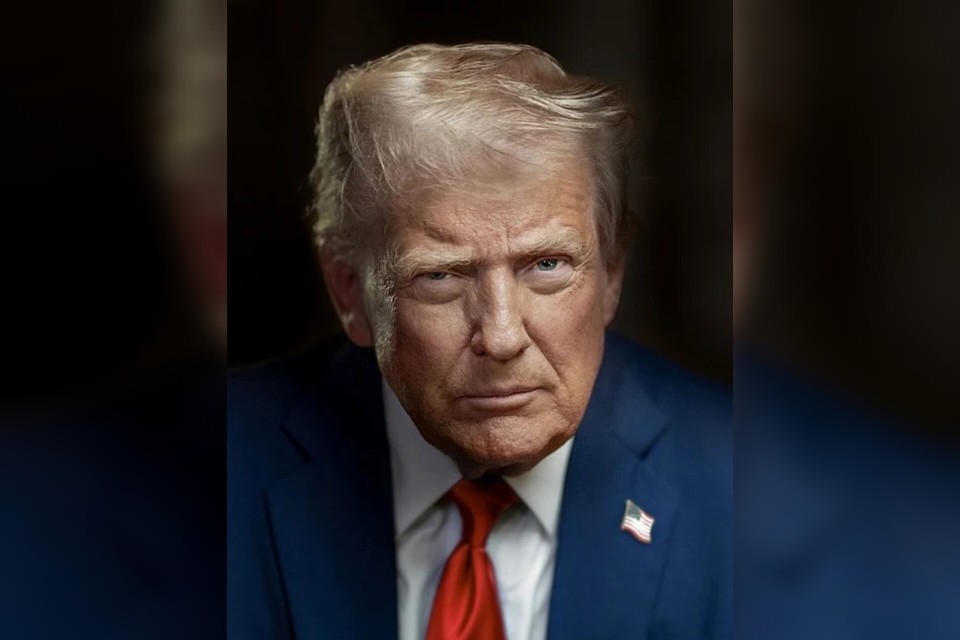
President Donald Trump has announced that the United States is on the brink of finalizing a peace deal with Iran after extensive negotiations involving several key Middle Eastern countries, Pakistan, and Israel. The potential agreement aims to reopen the crucial Strait of Hormuz and seeks to put an end to the conflict that erupted earlier this year. Trump indicated that the terms are mostly settled, with only minor details pending before a formal declaration can be made. The talks have reportedly included leaders from nations such as Saudi Arabia, Qatar, Turkey, Egypt, the UAE, Jordan, Bahrain, and Pakistan, as well as Israeli Prime Minister Benjamin Netanyahu.
Despite Trump’s optimistic outlook, Iranian officials have disputed certain aspects of his announcement, particularly concerning the control over the Strait of Hormuz. Iranian representatives have emphasized that Iran will maintain its authority over the strategic waterway, including its control over shipping routes and the issuance of permits. This disagreement underscores the complexity of the negotiations as both sides work to reach a mutually acceptable solution.
Pakistan’s Prime Minister Shehbaz Sharif has expressed his approval of the diplomatic strides made and has indicated Pakistan’s willingness to host further talks between the U.S. and Iran. Pakistan’s army chief, General Syed Asim Munir, has reportedly been instrumental in these efforts, having recently engaged in discussions with Iranian officials in Tehran. This highlights Pakistan’s role as a mediator in the ongoing dialogue.
The draft agreement, as reported, might include provisions for a 60-day extension of the ceasefire, the reopening of the Strait of Hormuz without the imposition of tolls, and the easing of restrictions on Iran’s oil exports. Furthermore, it outlines the resumption of negotiations over Iran’s nuclear program. In exchange, the U.S. may ease limitations on Iranian ports and release Iranian assets that have been frozen, indicating a broader attempt at conflict resolution.
Despite the progress in diplomacy, tensions remain present. President Trump has cautioned that military operations could resume if the negotiations do not produce results. Meanwhile, some Republicans have voiced concerns, arguing that the proposed terms resemble past nuclear deals they have opposed. The potential agreement has sparked discussions in Washington, with supporters hopeful it could avert further conflict and economic instability, while critics fear it might bolster Iran’s influence in the region.