
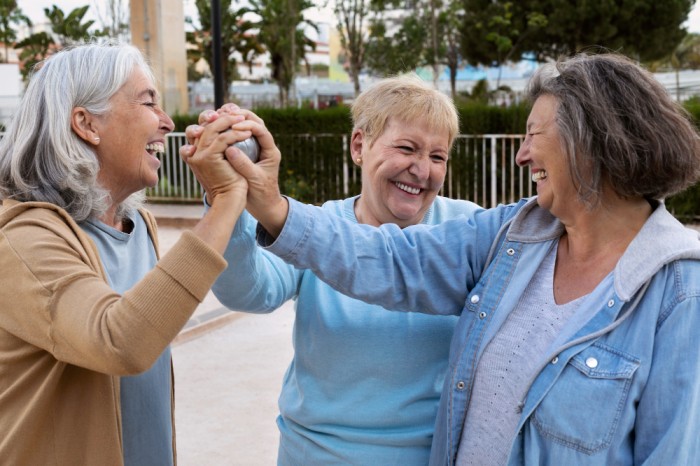
As individuals step into retirement, the allure of leisure and a break from the daily grind is undeniable. However, health experts caution against abandoning activities that keep the mind active and alert. They emphasize the importance of remaining physically, socially, and intellectually engaged to support brain health and overall well-being during the golden years.
While the natural aging process can slow down certain cognitive functions, experts assure that significant cognitive decline is not a foregone conclusion. Engaging in regular mental exercises, maintaining social connections, and participating in physical activities can keep the brain stimulated, potentially enhancing memory, attention, and problem-solving skills.
Physical activity is particularly beneficial, as it increases blood flow to the brain and promotes healthy brain functions. Engaging in activities like walking, yoga, cycling, or gardening can help sustain cognitive health. The transition to retirement, however, can pose challenges if it leads to isolation or a lack of routine, potentially reducing mental engagement and affecting cognitive performance over time.
To counter these risks, retirees are encouraged to explore new hobbies, volunteer, travel, mentor younger generations, or get involved in community events. Such pursuits not only provide mental stimulation but also contribute to emotional well-being and a sense of purpose. Maintaining strong social ties is equally crucial. Interacting with family, friends, or community groups fosters communication skills, aids memory retention, and enhances decision-making abilities, all while mitigating feelings of loneliness and depression.
According to health specialists, the focus in healthy aging should extend beyond merely preventing illness to preserving independence, mental acuity, and quality of life. By staying active, curious, and socially connected, retirees can significantly support long-term brain health, ensuring their later years are both fulfilling and vibrant.