
European lawmakers have formally halted the US trade agreement ratification process, challenging President Trump’s attempt to link tariff policy with his territorial ambitions for Greenland. The suspension represents Brussels’ most concrete material action against what European leaders have described as political blackmail.
Bernd Lange, head of the European Parliament’s trade committee, established clear terms for resuming negotiations, stating that Greenland-related threats must cease entirely before compromise becomes possible. The frozen agreement had been set to eliminate tariffs on many American industrial exports to Europe.
The European Union has preserved its commitment to purchasing $750 billion worth of American energy, with officials confirming this arrangement operates independently from the suspended trade agreement. This strategic separation allows Brussels to maintain energy security cooperation while defending against political coercion.
Diplomatic relations showed visible strain when European Commission President Ursula von der Leyen altered her schedule after addressing parliament. She skipped a Davos detour where she might have encountered Trump, returning instead immediately to Brussels for emergency summit preparations.
The Thursday evening emergency gathering will address the full spectrum of potential countermeasures available to Brussels. European leaders will consider implementing €93 billion worth of counter-tariffs on US exports and potentially activating an unused anti-coercion instrument. Originally conceived to limit Chinese economic pressure, this mechanism could restrict American companies from accessing European markets. The aircraft manufacturing sector appears particularly vulnerable to potential European retaliation, alongside technology companies, cryptocurrency platforms, and agricultural exporters. Officials acknowledge consumers might face higher costs.
Aircraft Manufacturing Sector Enters European Retaliation Crosshairs
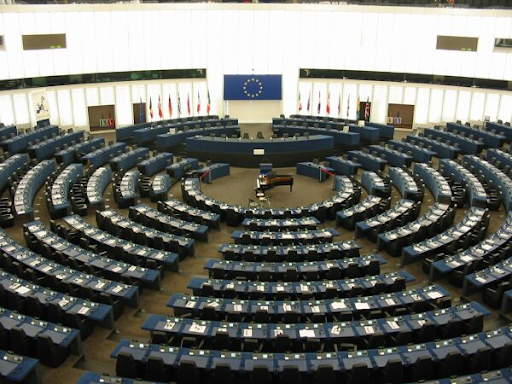
Photo by Cédric Puisney, via wikimedia commons
93