Marco Rubio highlighted immediate termination of subsidized petroleum exports to Cuba as a critical American demand on Venezuela’s interim government during Senate testimony Wednesday. The requirement represents a significant foreign policy component aimed at pressuring the communist island nation while reshaping Venezuela’s international relationships.
The Secretary of State explained that ending preferential oil arrangements with Cuba, combined with privileged energy sector access for United States companies and mandatory purchases of American goods, constitutes the framework for post-intervention economic engagement. Rubio characterized these terms as appropriate given American military action to remove Nicolas Maduro from power.
He suggested that cutting subsidized shipments to Cuba would eliminate a major source of support for the communist regime while redirecting Venezuelan resources toward domestic needs and commercial relationships benefiting American interests. The Secretary emphasized that compliance with this requirement demonstrates interim government responsiveness to Washington’s priorities.
Democrats questioned the broader strategy of pressuring Cuba through Venezuela and expressed skepticism about whether cooperation with acting president Delcy Rodriguez and other former Maduro regime members serves stated democratic objectives. They challenged whether replacing one authoritarian leader with his associates achieves meaningful change.
The hearing also addressed multiple foreign policy concerns including Greenland, NATO tensions, Iran, and China. Rubio sought to reassure allies disturbed by Trump’s aggressive rhetoric while defending the president’s confrontational diplomatic style. He maintained that fundamental American commitments remain intact despite contentious debates about alliance burden-sharing and defense spending.
Rubio Emphasizes Ending Cuban Oil Subsidies as Key Venezuela Demand
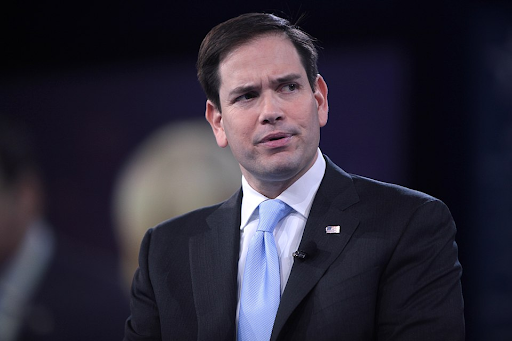
Photo by Gage Skidmore from Peoria, AZ, United States of America, via wikimedia commons
61