
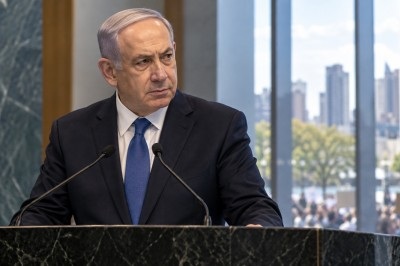
The geopolitical landscape in the Middle East is under intense scrutiny as Israeli Prime Minister Benjamin Netanyahu prepares to address the United Nations General Assembly in New York. His appearance comes against a backdrop of international criticism regarding Israel’s ongoing military operations and policies in Gaza, Lebanon, and Iran, as well as heightened diplomatic tensions over settlement expansions in the West Bank.
Amid these pressures, Netanyahu is expected to use his platform at the UN to underscore what his government views as key achievements in managing conflicts in the region. The Israeli leader’s speech will likely address the complex security situation, presenting Israel’s stance on military actions and regional stability. The UN visit coincides with protests organized by Palestinian representatives and advocacy groups, who have called for demonstrations and a walkout during Netanyahu’s address.
Israel’s recent actions have drawn increased scrutiny from several Western governments, which have expressed concerns over humanitarian conditions in Gaza and criticized the expansion of settlements in the West Bank. These developments have added to the diplomatic strain facing Netanyahu’s administration. Despite the criticism, Israel’s UN Ambassador Danny Danon has defended the country’s actions, attributing some of the international disapproval to what he termed as misinformation.
Netanyahu’s visit to the UN also has domestic implications, as it takes place shortly before Israel’s elections. The address provides an opportunity for him to communicate not only with an international audience but also with voters back home. The future of Israel’s relationship with the United States, particularly regarding military support and differing views on settlement policies, remains a critical issue. Danon emphasized the expectation that the longstanding security ties between Israel and the U.S. will endure, despite the current wave of international criticism.