
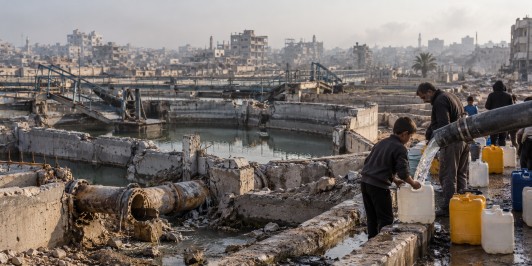
The ongoing water crisis in Gaza is having far-reaching repercussions, impacting Israel’s desalination capabilities along the Mediterranean coast. A significant algae bloom, extending up to 100 kilometers, has disrupted operations at five of Israel’s six primary desalination plants, leading to a decrease in water supply for several weeks.
Experts have linked this environmental disruption to the discharge of untreated wastewater from Gaza into the Mediterranean Sea. Due to the destruction of wastewater treatment facilities in Gaza, an estimated 45,000 cubic meters of raw sewage enters the sea daily, providing nutrients like nitrogen and phosphorus that fuel algae growth. This bloom has clogged filtration systems, forcing temporary shutdowns and reduced operational capacity at desalination plants in southern Israel.
In response to the reduced water supply, Israeli water authorities are urging residents to conserve water, while farmers in the affected regions have been instructed to halt irrigation. The situation highlights the interconnectedness of environmental issues across borders and the delicate balance necessary for maintaining essential resources such as water.
Gaza’s water and sanitation crisis is severe, with all five wastewater treatment plants out of service. As a result, not only does untreated sewage enter the Mediterranean, but an additional 15,000 cubic meters of waste seeps into the groundwater daily. This has left many Palestinians reliant on water trucks and has increased the risk of waterborne diseases like diarrhea and skin infections due to contaminated water sources and stagnant wastewater.
Environmental organizations warn that the continued marine pollution could pose further risks to Israel’s desalination infrastructure and public health. Israeli environmental groups have called for the restoration of Gaza’s wastewater system and proper management of sewage to prevent broader environmental and community impacts across the region.