
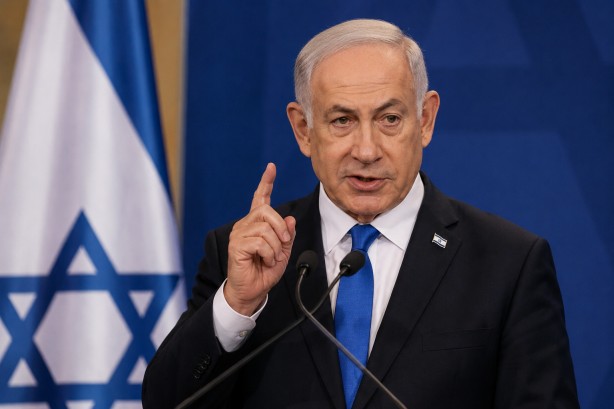
As Israel approaches its October 27 election, Prime Minister Benjamin Netanyahu has made a strategic appeal to right-wing voters, urging them to consolidate their support behind his Likud party. He cautioned that backing smaller parties could be detrimental if those parties fail to pass the electoral threshold necessary to enter the Knesset, Israel’s parliament. This warning comes amid fears that divided votes might jeopardize his coalition’s position.
Netanyahu’s call to action is rooted in the concern that the emergence of several new right-wing parties could siphon off votes from Likud and its allies. By voting for these smaller factions, he argued, right-wing supporters risk wasting their votes if these parties do not garner enough support to secure seats in the Knesset. His message is clear: a unified front is crucial to maintaining the current coalition’s strength.
The political landscape is further complicated by the fact that Netanyahu’s bloc is trailing in some opinion polls. This has heightened the urgency of his plea, as a dispersed right-wing vote could pave the way for opposition parties to seize control and potentially form the next government. Netanyahu emphasized that a fragmented vote could undermine the right-wing’s ability to remain in power.
With these dynamics in play, Netanyahu’s strategy underscores the importance of electoral thresholds in Israeli politics. Parties must secure a minimum percentage of the vote to gain representation in the Knesset, making every vote critical in a closely contested election. As the election date nears, how right-wing voters respond to Netanyahu’s call could significantly impact the political landscape in Israel.
The prime minister’s appeal highlights the delicate balance within Israel’s multiparty system, where coalition-building often dictates the formation of a government. As voters head to the polls, the question remains whether Netanyahu’s message will resonate enough to consolidate support and bolster his party’s chances in this pivotal election.