
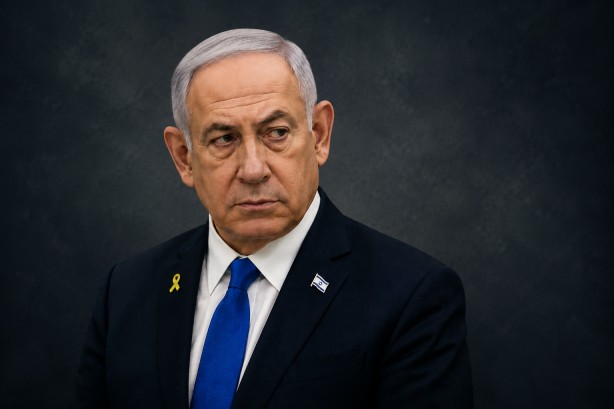
The Israeli government, led by Prime Minister Benjamin Netanyahu, is facing mounting scrutiny from domestic media outlets as tensions with Türkiye show signs of escalating. This criticism comes on the heels of Israel’s military strike on Syria’s Abu al-Duhur air base on August 18. Concerns have been raised that Netanyahu’s current policies could potentially ignite a new regional conflict, urging a shift toward diplomacy and a more coherent strategy for the region.
Media voices in Israel, such as Ynet, have cautioned against the ramifications of strained relations with Ankara, suggesting that it could add another layer to Israel’s already complex regional disputes. At the same time, Maariv has highlighted apprehensions among high-ranking officials who fear the consequences of heightened tensions, emphasizing the need to navigate these challenges prudently.
In response to the recent airstrike, Syria’s Foreign Minister Asaad Hassan al-Shaibani announced a halt in communications with Israel, citing distrust toward its government. He also reiterated Syria’s commitment to strengthening defense ties with Türkiye, including ongoing military collaboration and support. This development underscores the fragile dynamics of regional alliances and the potential for further instability.
Despite the rising tensions, Turkish Foreign Minister Hakan Fidan has expressed that there is no necessity for a direct conflict between Türkiye and Israel. Nevertheless, he criticized Netanyahu for his increasingly aggressive rhetoric, attributing it to internal political pressures faced by the Israeli leader.