
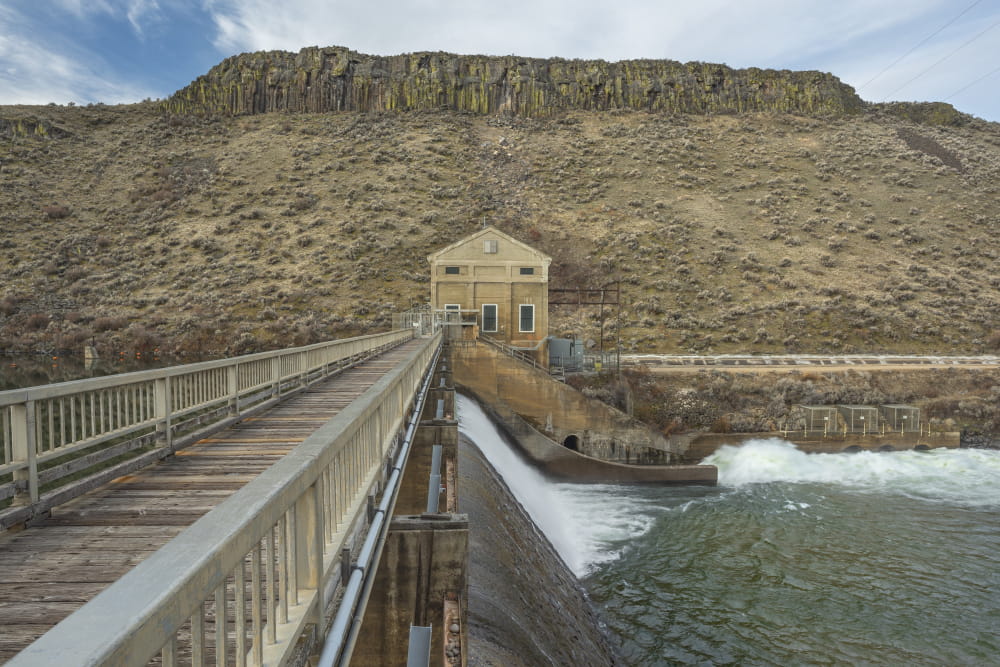
After enduring a series of severe cold fronts earlier this week, Cape Town has witnessed a significant and much-needed increase in its dam levels. This development comes as a relief to the region, which had been experiencing lower-than-expected water reserves compared to the previous year, prompting officials to voice their “cautious concern.” However, the recent heavy rainfall has shifted the outlook to one of cautious optimism.
On Wednesday, measurements indicated that the combined storage capacity of Cape Town’s six principal dams surged to 67.8%. This marks a substantial rise from the 48.3% recorded just a week earlier. The monitoring of these dam levels is a crucial task undertaken by both the City of Cape Town and the National Department of Water and Sanitation. It helps determine the availability of water for the area and whether it is necessary to impose water restrictions on residents and businesses.
The dam levels are vital for ensuring a steady water supply to Cape Town, often referred to as the Mother City. The dams form an integral part of the Western Cape Water Supply System, which is a sophisticated network that includes dams, pump stations, pipelines, and tunnels. This system is not only critical for Cape Town but also serves several neighboring regions.
In addition to Cape Town, the Western Cape Water Supply System extends its service to towns in the Overberg, Boland, West Coast, and Swartland areas. The system also plays a significant role in providing irrigation water necessary for the agricultural sector in these regions. Maintaining an adequate water supply is essential for both urban needs and agricultural productivity, making the recent increase in dam levels a welcome development.