
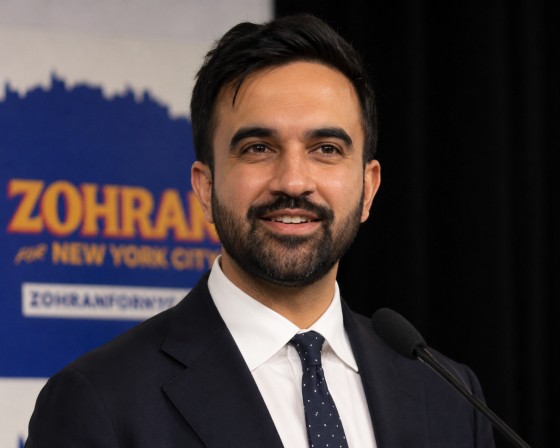
New York City Mayor Zohran Mamdani has clarified that the city cannot legally detain Israeli Prime Minister Benjamin Netanyahu should he visit the United States later this year. In a statement shared via social media, Mayor Mamdani explained that after thoroughly examining the legal avenues available concerning the International Criminal Court’s (ICC) arrest warrant for Netanyahu, it became clear that New York City does not possess the jurisdiction to act on it.
Despite these limitations, Mamdani urged the federal government of the United States to acknowledge the ICC’s warrant and consider taking appropriate measures. He labeled Netanyahu as a war criminal and stated that individuals facing such serious allegations are not welcome in New York City. The Israeli Prime Minister is anticipated to arrive in New York in September for the United Nations General Assembly. During his campaign for mayor, Mamdani had committed to exploring potential enforcement of the ICC warrant if Netanyahu were to visit the city.
The ICC issued the arrest warrant for Netanyahu in 2024, accusing him of war crimes. Yet, the United States does not accept the court’s jurisdiction and remains outside of its membership. This position complicates any legal proceedings against Netanyahu on American soil.
President Donald Trump reacted to Mamdani’s comments with criticism, asserting that Netanyahu would not face arrest in the United States and defending the Israeli Prime Minister’s actions. Trump’s statement reflects the broader U.S. stance, which does not align with the ICC’s authority in this matter.
In response to the situation, Netanyahu has downplayed the issue, expressing no concern over the mayor’s remarks. The controversy adds another layer to the complex international dynamics involving the United States, Israel, and the ICC, highlighting the challenges in enforcing international law across different jurisdictions.