
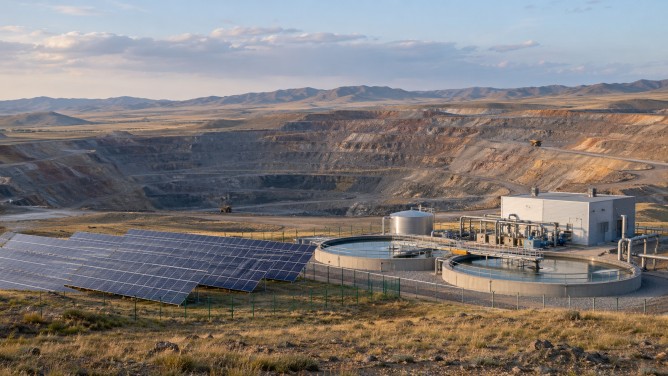
Japan and the United Nations Development Programme (UNDP) have embarked on a $3 million initiative to foster sustainable mining practices within Kazakhstan’s rare metals and rare earth minerals sector. Launched on October 30, this project aims to integrate stronger environmental regulations, advanced green technologies, and digital monitoring systems, with funding provided by Japan and implementation by UNDP in collaboration with Kazakhstan’s Ministry of Industry and Construction.
The Central Asian country has identified over 120 deposits of rare metals and rare earth elements, crucial resources as global demand for critical minerals continues to rise. The initiative is designed to ensure that Kazakhstan’s extraction and processing of these minerals adhere to international environmental standards. By focusing on early identification of environmental risks and preventing pollution, the project seeks to enhance monitoring systems before large-scale mining operations commence.
Kazakhstan’s Ministry of Industry and Construction emphasized that this partnership will help modernize the country’s mineral production sector by embedding modern green technologies and international environmental standards. This alignment with sustainable practices is intended to ensure responsible mining, protect local communities, and safeguard ecosystems.
Japan has reiterated its support for this initiative as part of its broader cooperation with Central Asian countries on promoting green development and enhancing regional resilience. The collaboration reflects Japan’s commitment to advancing environmental sustainability beyond its borders.
The partnership between Japan, UNDP, and Kazakhstan represents a significant step towards responsible resource management, allowing Kazakhstan to capitalize on the growing global demand for critical minerals while maintaining a commitment to environmental stewardship.