
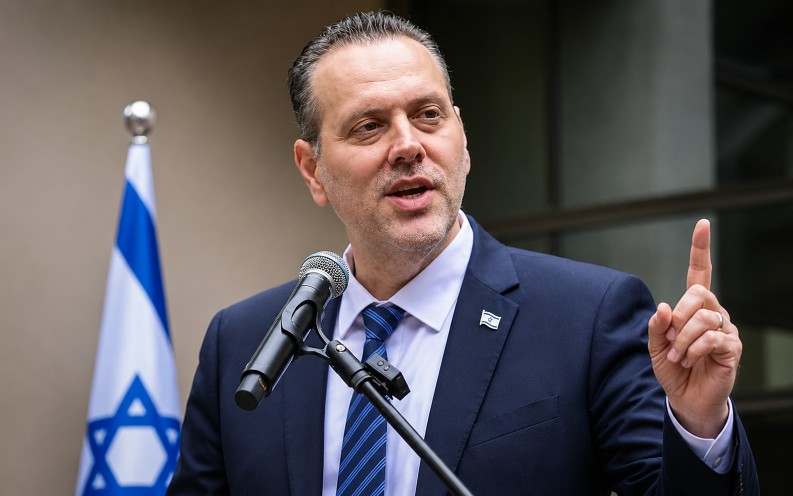
In a recent statement, Israeli Culture and Sports Minister Miki Zohar affirmed that Prime Minister Benjamin Netanyahu will adhere to any decisions made by the High Court of Justice. This assertion was made to dispel allegations that the government is intentionally provoking a constitutional crisis. The controversy arose after the cabinet sanctioned a resolution refusing to acknowledge the Council of the Second Authority’s decisions under a High Court mandate. This mandate had permitted the broadcasting regulator to function despite not meeting the necessary quorum.
The government contends that the High Court’s ruling is at odds with existing laws and insists that all branches of the state, including the judiciary, must operate within established legal frameworks. According to Zohar, the primary aim of the resolution is to avert a constitutional crisis, not instigate one. However, this action has sparked significant backlash from opposition figures and legal professionals alike.
President Isaac Herzog has cautioned that failing to comply with High Court rulings would breach a “red line.” Similarly, former Prime Minister Naftali Bennett has warned that disregarding judicial decisions could result in constitutional turmoil and jeopardize democratic governance. These strong reactions highlight the gravity of the situation and the potential implications for Israel’s legal and political landscape.
At the heart of the conflict is the role of the Second Authority in authorizing a proposed acquisition deal involving Channel 13. Critics argue that the government is attempting to exert political influence over media regulation by controlling the broadcasting council. This has intensified concerns over the independence of the media and the potential for government overreach.