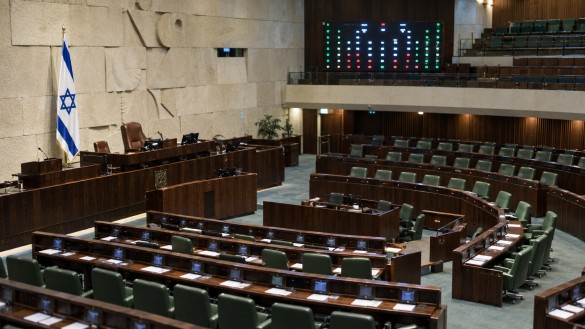
Israeli Prime Minister Benjamin Netanyahu is facing a turbulent political landscape after election results revealed his coalition fell short of securing a parliamentary majority. The election outcome has left Arab-led parties as pivotal players, holding 19 seats in the 120-member Knesset, marking their strongest performance yet.
Netanyahu’s bloc managed to capture 53 seats, while the primary opposition alliance garnered 48. With 61 seats required to form a government, neither faction can assume power without forging partnerships with other political entities. This situation has set the stage for potentially complex coalition negotiations.
Opposition leader Gadi Eisenkot is exploring the formation of an anti-Netanyahu coalition with the Arab-led parties, which could potentially secure a 67-seat majority. However, this coalition would likely face significant opposition from right-wing politicians and voters, as Netanyahu has criticized the notion of an opposition government relying on Arab parties, citing national security concerns.
Another avenue under consideration is a national unity government that would involve both Netanyahu and opposition leaders. However, Eisenkot and his allies have consistently opposed serving under Netanyahu, citing his alleged security failings during the October 7, 2023, Hamas attack and concerns over democratic institutions. Netanyahu’s ongoing corruption trial further complicates these discussions.
Allegations of foreign interference in the election have added another layer of tension. Israel’s election authorities have asked the Shin Bet security agency to investigate claims of irregularities. Qatar has denied any involvement, while election officials emphasize that unsubstantiated claims should not undermine the legitimacy of Arab voters or the electoral results.
If coalition talks fail, Israel may face another election early next year, with Netanyahu’s current government remaining in a caretaker role. This scenario is not unfamiliar to Israel, which has experienced repeated elections due to prolonged political stalemates in the past.
The election results will soon be presented to President Isaac Herzog, who will task a candidate with attempting to form the next government. The new Knesset is set to be sworn in on November 10, leaving Israel’s political future dependent on whether its parties can bridge their differences to reach a coalition agreement.