
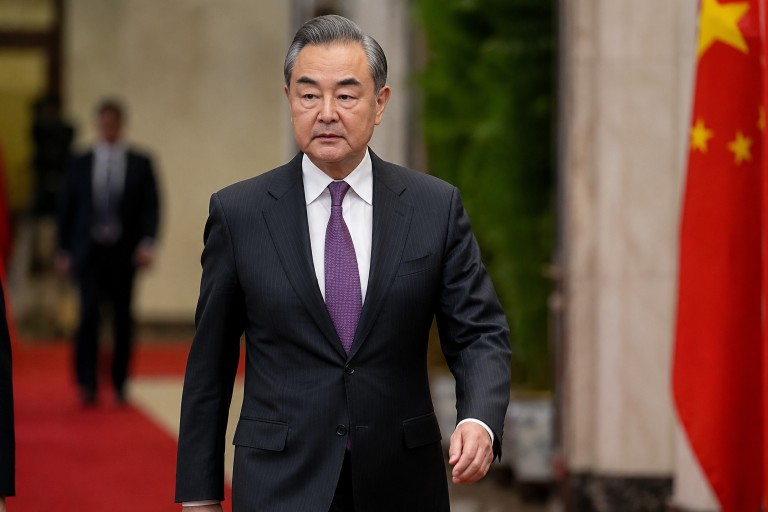
During a visit to Kyrgyzstan, China’s Foreign Minister Wang Yi emphasized Beijing’s dedication to enhancing ties with Central Asian nations, placing a spotlight on regional cooperation and multilateral coordination. The trip included meetings with leaders and foreign ministers from Kyrgyzstan, Uzbekistan, and Tajikistan, where the discussions centered on boosting collaboration through platforms like the Shanghai Cooperation Organisation (SCO), the China–Central Asia mechanism, and the United Nations.
China pledged its support for Kyrgyzstan’s sovereignty and territorial integrity, particularly as the country prepares to host the SCO Bishkek Summit. Both nations agreed to bolster their efforts in ensuring regional peace, security, and development. This commitment highlights China’s ongoing strategy to strengthen its influence and ties within Central Asia.
In discussions with Uzbekistan, China underscored the significance of projects such as the China–Kyrgyzstan–Uzbekistan Railway. The talks also focused on expanding cooperation in cutting-edge sectors like artificial intelligence, smart agriculture, and modern industrial development, indicating a broader agenda for technological and infrastructure advancement in the region.
Meanwhile, China and Tajikistan reaffirmed their dedication to deepening their bilateral relationship. They are set to expand cooperation in energy and regional connectivity, following the earlier signing of a long-term friendship and cooperation treaty. This move underscores the two countries’ intent to forge a robust partnership that leverages shared interests and mutual benefits.
This diplomatic engagement highlights China’s growing strategic partnership with Central Asia, emphasizing infrastructure development, trade enhancement, technological innovation, and regional stability. By reinforcing these ties, China aims to play a pivotal role in shaping the future dynamics of Central Asia, ensuring a mutually beneficial relationship that aligns with its broader geopolitical interests.