
The upcoming UEFA Nations League matches between Ireland and Israel have sparked significant controversy, drawing attention beyond the football field to broader geopolitical issues. This tension has been further inflamed by comments from Republic of Ireland manager Heimir Hallgrímsson, who controversially described the fixtures as “playing against genocide,” referencing the humanitarian concerns in Gaza. The Israeli Football Association responded sharply, accusing Hallgrímsson of “stupidity, ignorance and hypocrisy,” escalating the diplomatic row.
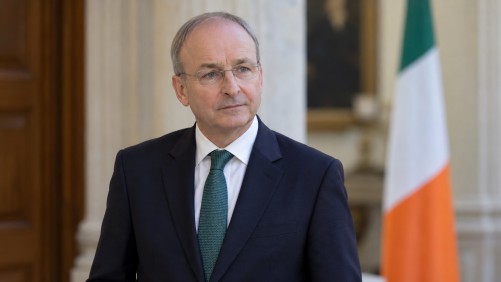
Irish Prime Minister Micheál Martin has stepped into the fray, criticizing the Israeli Football Association’s remarks and labeling them as “unacceptable.” Speaking from New York during the United Nations General Assembly, Martin called for the withdrawal of the criticism directed at Hallgrímsson. His comments underscore the complex interplay between sports and international relations, particularly concerning ongoing humanitarian issues in the Middle East.
The controversy has generated debate in Ireland, with some sports figures advocating for a boycott of the matches against Israel. Despite these calls, the Football Association of Ireland has confirmed that the games will proceed as planned. The first match is set for September 27 in Debrecen, Hungary, with a follow-up fixture on October 4 in Bačka Topola, Serbia. Both matches are to be held at neutral venues, with the latter taking place behind closed doors.
As the dates for the matches approach, the diplomatic spat has highlighted the role of sports in international politics, where actions on the field can reflect and even influence broader political sentiments. The ongoing debate in Ireland regarding the appropriateness of competing against Israel amidst these tensions continues to unfold, capturing the attention of both sports enthusiasts and political observers.