
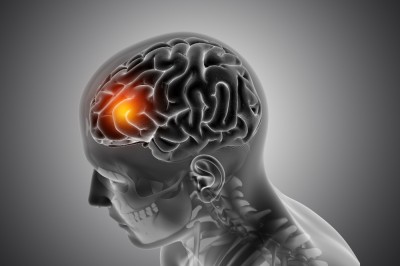
A marked shift in a person’s demeanor can often be attributed to stress, anxiety, or emotional challenges. Nonetheless, medical professionals warn that in certain instances, significant behavioral alterations can be indicative of a more serious neurological issue, such as a brain tumor.
Neurologists point out that it is typically family members who first observe when someone’s behavior takes an uncharacteristic turn. For example, an individual known for their calm and patient nature might suddenly become irritable; a normally cheerful person may become withdrawn; or someone who is usually organized and attentive might begin to overlook important details.
Experts highlight that the key alert for concern is the sudden onset of these behavioral changes, particularly when there is no obvious cause such as job-related stress, personal issues, or other stressful circumstances. While behavioral changes stemming from psychological factors tend to emerge gradually, those resulting from neurological conditions may persist or deteriorate over time.
The brain governs personality, emotions, judgment, and decision-making processes. When a tumor forms in areas responsible for these functions, the initial symptoms might manifest as changes in cognitive processes, mood, and social interactions rather than clear physical symptoms. Experts note that these personality changes can be subtle initially, with signs that could include increased aggression, emotional detachment, impulsive actions, difficulty concentrating, memory lapses, or behaviors that seem entirely out of character.
Behavioral changes associated with brain tumors typically do not occur in isolation. They are often accompanied by other symptoms such as persistent headaches, unexplained nausea, vision problems, seizures, difficulty balancing, or weakness in an arm or leg. Physicians stress that sudden changes in personality do not necessarily point to a brain tumor, as a variety of medical and psychological issues can produce similar symptoms. However, if unusual behavior is observed alongside neurological or physical symptoms, it is crucial to seek medical evaluation and undergo appropriate testing. Early diagnosis is key to identifying the underlying cause and ensuring timely treatment if needed.